A few weeks ago, I was in a conversation about process management, and at some point I said something that raised a few eyebrows: riding a motorbike is as dangerous as flying. Or, depending on how you look at it, roughly as undangerous. I know how that sounds, because almost nobody gets on a plane with the same feeling they have when they get on a bike. But the way I see it, the difference comes from everything that happens around it. So let me explain it a bit.
Get on and ride off
With a motorbike, the sequence is pretty much like this: you take the key, walk into the garage, get on and ride off. There's no check of the brake fluid, no glance at the tyre tread and no inspection of the lights. At least that's how it usually goes. I know some people aren't like this, but most riders don't check their bike every time they use it. Sometimes there isn't even the right clothing, because it's only a short trip into town and the weather is warm, so the helmet fits and that will have to do.
The training is fairly modest too. Anyone who has passed the test is allowed to ride, and after that, nobody asks again. There aren't really any refreshers or extra reviews of how you ride day to day, and no one checks whether your reflexes are still there years later. As long as your licence is valid, that's pretty much all that matters, so someone who hasn't ridden in a couple of years could be back on the streets the next day. So basically, you just get on and go. Isn't that a safety concern? For almost no one, apparently.
The contrast in aviation
Now let's look at planes. Before they take off, they go through a whole chain of checks that hardly anyone sees from the outside. The plane is inspected before and after every flight, and its maintenance is scheduled by flight hours, cycles and the calendar. Then there are checklists for pretty much everything: the walkaround, the cockpit, take-off, landing and emergencies. And none of it depends on one person remembering everything, which for me is exactly the point of this conversation.
The same goes for the people. Pilots have to see a doctor regularly, and they can't keep their licence without it, so it's not just a recommendation. They also do recurrent training and get put in simulators for situations they'll hopefully never face in real life. Cabin crew are trained for things that statistically almost never happen, and security before boarding keeps getting stricter, so there's less and less room for mistakes. By the time you sit down in your seat, a lot of work has already happened that you never get to see.
And then there's the part that convinced me the most when I was thinking about all this: the material. Yes, the plane has a shell and the motorbike doesn't, but what is that shell really for? Mostly it protects you from the cold and the thin air at cruising altitude, and it keeps the cabin pressurised. In a serious crash, though, that shell alone isn't what keeps you safe. So if you think the aluminium is the reason you feel safe on board, I'd say you're confusing the packaging with what's inside.
The part nobody sees: safety gets built every day
So this is really what I was trying to say in that conversation. For me, the feeling of safety when flying comes from the processes much more than from the material. In aviation, safety gets built again every single day instead of being set up once and then forgotten. That happens through repetition, backups for almost everything, documentation and the four-eyes principle, which basically means someone always double-checks. It also comes from a culture where reporting a mistake is seen as helping rather than as admitting guilt.
What I find really interesting is that aviation figured out something many other industries still haven't. It accepted that people make mistakes, and instead of turning that into a blame game, it treated it like an engineering problem. If someone can forget a step, that step goes on a checklist. If one part can fail, you add a second one, and if information can get lost, the handover gets a fixed format. Some people would call that bureaucracy, but for me it's just engineering applied to the way people work.
On a motorbike, there's much less of this. I don't think it's because motorcyclists are careless, though. It's more that there just isn't much of a system built around the rider. Pretty much all the responsibility is on the person, at a moment when they might be tired, in a hurry or distracted. For me, that's the real difference between the two, and it has very little to do with the vehicle itself.
What this means for our work
And this is exactly why we at ShoreLabs care so much about processes. It's not that we love drawing diagrams (although I have to admit a clean process map does give me a certain satisfaction). It's because the same idea applies whether we're talking about a plane, a bank, a fund structure or a digital asset business. I know that list sounds pretty far from a cockpit, but I think the comparison works better than people expect.
Companies put a lot of money into what I'd call the material: systems, software, certificates and org charts. That's the shell. It's useful, but it's not what carries the weight. What carries the weight are the procedures behind it, like who does what, in which order, with which information, who checks it, and what happens when something goes wrong.
A good process map makes those dependencies visible. It shows you where knowledge only lives in one person's head and where a step never gets checked. It also shows you where two departments hand something over without anyone really defining what's being handed over. Those are usually the spots where problems show up later, and most of the time you can see them coming if you take the time to look.
That's why I believe safety, reliability and trust aren't things you can just buy. They come from procedures that are designed to work even when someone is having a bad day. For me, that's the lesson from the cockpit, and I think it applies to almost any organisation. And just to be clear, the motorbike here is only an example, not a warning against riding. It's just the easiest way I found to show how much of safety comes from processes, and how little comes from the material.
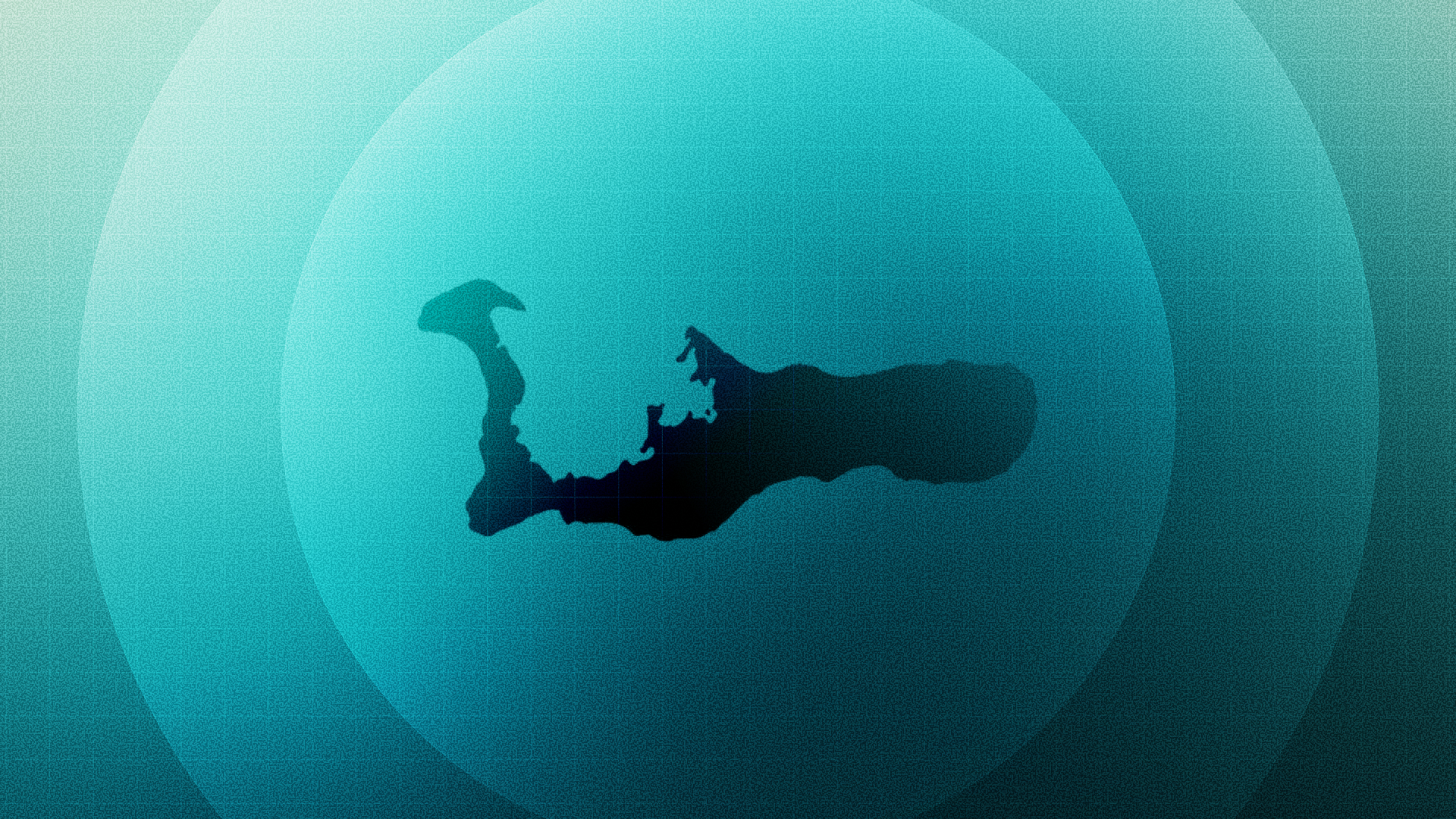
And funnily enough, I got a real-life reminder of all this very recently. On our way back to Cayman, our flight was cancelled because of an unexpected issue on the ground: the pushback car hit the plane. If you live in Cayman, you've probably heard about it, because it was all over the news. On top of that, there were a lot of air traffic problems around New York that day, so getting a replacement aircraft just wasn't possible.
So yes, in a situation like that, no pre-check is going to help. But that's exactly when the emergency procedure kicks in, which kind of proves the point: when things go wrong, the way you respond is what matters. In the end, everyone was fine, and we made it home a day later. So thanks again to Cayman Airways for handling it so professionally. They were super supportive and gave us everything we needed to get home as soon as they could.